It can be surprisingly hard to tell whether a pet is at a healthy weight just by looking at the number on the scale. A 10-pound cat may be overweight, underweight, or just right depending on their frame. The same is true for dogs, where breed, build, age, and muscle all change what a healthy weight looks like.
That is why veterinarians use body condition scoring for pets. Body condition scoring is a hands-on way to assess your pet’s fat coverage, shape, and overall body condition instead of relying on weight alone. Once you know what to look for and feel for, you can monitor changes at home and know when it may be time to talk with your veterinary team.
What Is Body Condition Scoring for Pets?
Body condition scoring, often called BCS, is a visual and hands-on assessment used to help determine whether a dog or cat is underweight, at a healthy weight, overweight, or obese. Most veterinary teams use a 9-point body condition score system, where the lower numbers indicate too little body fat, the middle range indicates a healthy condition, and the higher numbers indicate excess body fat.
The goal is not to judge your pet by appearance. The goal is to understand whether your pet’s body condition supports their health, comfort, and mobility. A pet at a healthy weight should have a visible waist when viewed from above, an abdominal tuck when viewed from the side, and ribs that can be felt with light pressure but are not sharply visible. AAHA Nutrition and Weight Management Guidelines for Dogs and Cats note that nutritional assessment, including body condition score and muscle condition score, should ideally be performed at every veterinary examination. That is because weight and body condition can shift gradually, and small changes are easier to address when they are noticed early.
Why Your Pet’s Weight Alone Does Not Tell the Whole Story
Your pet’s weight is useful information, but it is only one part of the picture. Two pets can weigh the same amount and have very different body conditions. One may be lean and muscular, while another may carry extra fat with less muscle. This is especially common when comparing pets of different breeds, ages, or body types.
Body condition scoring helps fill in the gaps. Instead of focusing only on pounds, it asks a more useful question: how does your pet’s body feel and look in proportion to their frame? For example, a stocky dog may naturally weigh more than a slim-built dog of the same height, while an older cat may lose muscle even if the scale does not change very much.
Body Condition Score vs. Muscle Condition
Body condition score mainly evaluates fat stores. Muscle condition is a separate but related assessment that looks at muscle over areas such as the spine, shoulders, hips, and head. This distinction matters because a pet can be overweight and still have muscle loss, especially if they are older or living with an underlying health issue. For pet owners, this means that a healthy weight plan should not be based only on cutting calories. Your veterinarian may also consider your pet’s age, activity level, medical history, diet, treats, and any changes in muscle before making a recommendation.
How to Assess Your Pet’s Body Condition at Home
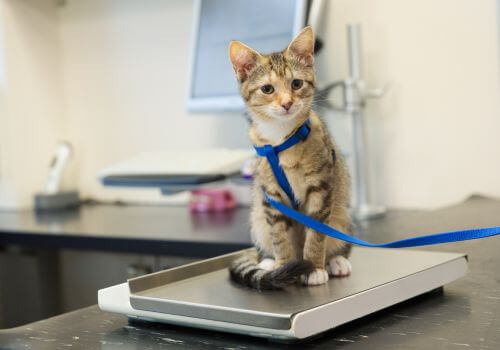
You can do a simple body condition check at home by using your eyes and hands. Choose a time when your pet is calm and standing naturally. For cats, it may be easier to check them when they are relaxed on the floor or on a stable surface. Use gentle pressure, especially with pets who are nervous, sensitive, or older.
A home check is not meant to replace a veterinary exam, but it can help you notice trends. If your pet is slowly gaining weight, losing shape, or feeling bonier than usual, those changes are worth discussing during your next visit.
- Look from above: Your pet should have a waist behind the ribs. In many pets, this looks like a slight inward curve before the hips.
- Look from the side: A healthy pet often has an abdominal tuck, meaning the belly rises slightly behind the ribcage instead of hanging low.
- Feel the ribs: You should be able to feel the ribs with light pressure. If you have to press firmly, your pet may be carrying extra fat. If the ribs feel sharp or are very easy to see, your pet may be too thin.
- Check the back and hips: The spine and hip bones should not be heavily padded, but they also should not feel sharply prominent in most healthy adult pets.
- Watch for changes over time: A gradual change in waistline, rib coverage, or energy level can be easier to miss than a sudden change.
What a Healthy Body Condition Looks Like in Dogs and Cats
A dog or cat at a healthy weight usually has a balanced shape. From above, you should see a waist. From the side, there should be some tuck behind the ribs. When you run your hands along the ribcage, the ribs should be easy to feel without needing to push through a thick layer of fat.
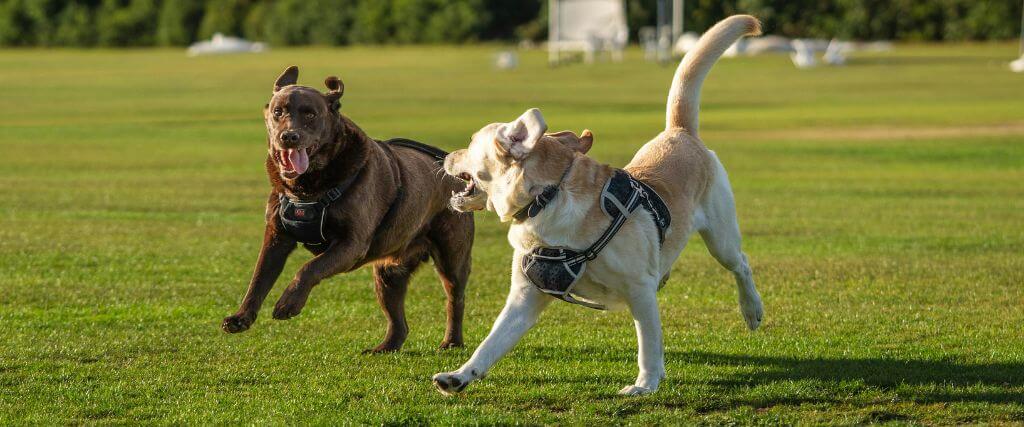
In dogs, body shape can vary quite a bit by breed. A Greyhound, Labrador Retriever, Bulldog, and Poodle will not have the same outline, even at a healthy body condition score. This is one reason your veterinarian may use both the scale and hands-on assessment to decide what is appropriate for your individual dog.
Cats can be a little trickier. Some cats develop a loose flap of skin on the lower belly, often called a primordial pouch, that is not the same thing as being overweight. Because of that, rib feel, waist shape, and overall fat coverage are more helpful than belly appearance alone.
Signs Your Pet May Be Overweight
A pet may be above a healthy body condition if their ribs are difficult to feel, their waist is hard to see, or their belly appears rounded from the side. You may also notice that collars, harnesses, or clothing fit differently, or that your pet is less interested in activity than they used to be.
These signs do not always mean the solution is simply feeding less. Weight gain can be influenced by treats, portions, activity level, age, spay or neuter status, medical conditions, and the calorie density of the diet. A veterinary-guided plan can help avoid overly rapid weight loss or nutritional gaps.
Signs Your Pet May Be Underweight
A pet may be underweight if the ribs, spine, or hip bones are easily visible or feel very sharp to the touch. You may also notice loss of muscle, a tucked appearance that seems more extreme than usual, or a change in appetite. Unexplained weight loss should be discussed with your veterinarian. In some pets, weight loss can be related to diet changes, dental discomfort, digestive issues, or other medical concerns that need evaluation before making a feeding plan.

When to Talk With Your Veterinarian About Your Pet’s Weight
If you are unsure whether your pet is at a healthy weight, your veterinary team can help you assign a body condition score and explain what it means. This can be especially helpful for growing puppies and kittens, senior pets, pets with chronic health conditions, and pets who have gained or lost weight recently.
You should also reach out if your pet has a sudden appetite change, unexpected weight loss, rapid weight gain, trouble exercising, stiffness, vomiting, diarrhea, or a noticeable change in thirst or urination. These changes do not always point to a weight problem, but they are worth checking because they may affect your pet’s nutritional needs.
For pets who need to lose weight, your veterinarian may recommend a target weight range, feeding amount, specific diet, treat adjustments, activity changes, or regular weigh-ins. For pets who need to gain weight, the plan may involve checking for medical causes and choosing a diet that supports safe, steady improvement.
Helping Your Pet Maintain a Healthy Weight at Home
Healthy weight management usually works best when it becomes part of your everyday routine. Measuring food, tracking treats, keeping meals consistent, and checking body condition regularly can all help you notice changes before they become more difficult to manage. Treats can still have a place in many pets’ routines, but they should be counted as part of daily intake. Small training treats, pieces of the regular diet, or veterinarian-approved lower-calorie options may be helpful, depending on your pet’s needs. Pet-safe table scraps should be used carefully because they can add calories quickly and may not be appropriate for every pet.
Activity also matters, but it should match your pet’s age, body condition, and health. A young dog may need structured walks and play, while an older cat may do better with short interactive play sessions. If your pet has arthritis, heart disease, breathing concerns, or other health conditions, ask your veterinarian what type of activity is appropriate.
A Healthier Weight Starts With Understanding Your Pet’s Body Condition
Body condition scoring gives pet owners a practical way to look beyond the number on the scale. By learning how to assess your pet’s ribs, waist, abdominal tuck, and overall shape, you can become more aware of changes in their weight and body condition over time.
If you are concerned that your pet may be underweight, overweight, or changing shape, your veterinarian can help you understand what is normal for your individual dog or cat. With the right guidance, small adjustments to food, treats, activity, and monitoring can support a healthier weight and a more comfortable daily life.
If you have questions and you'd like to reach out to us, you can call us directly at (703) 273-2110, or you can email us at [email protected]. Don't forget to follow us on social media Facebook, Instagram.