
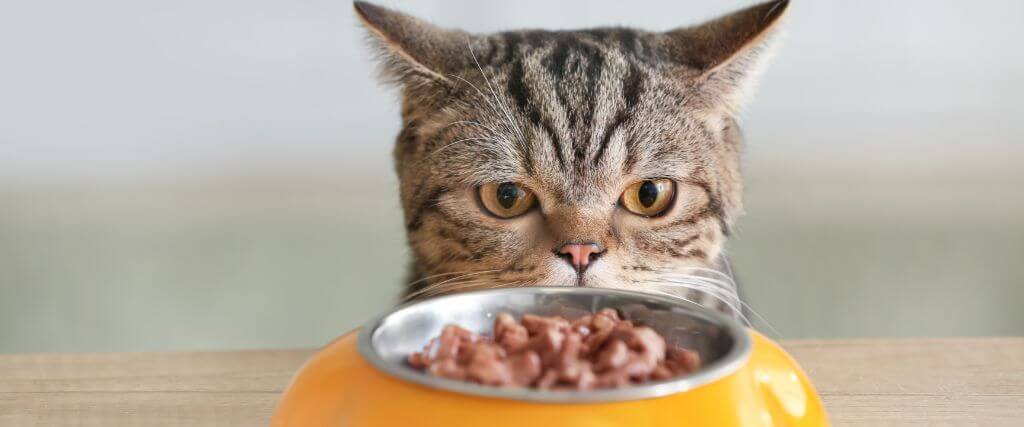
It can be worrisome when a pet who normally eats well suddenly turns away from food. If your dog stopped eating or your cat stopped eating, it is natural to wonder whether this is a brief change in appetite or something more serious. In many cases, a decreased appetite can be tied to a manageable problem, but it can also be one of the first visible signs of pain, illness, nausea, or stress.
If you are asking, “Why is my dog not eating?” or “Why is my cat not eating?” the most important thing to know is that appetite loss is a symptom, not a diagnosis. In cats, especially, not eating can become serious quickly. Merck Veterinary Manual notes that feline hepatic lipidosis can develop when an underlying illness leads to anorexia or food deprivation, which is one reason a cat not eating should never be brushed off. While one missed meal may not always mean something is seriously wrong, ongoing appetite loss deserves attention. Understanding the possible reasons your pet is not eating can help you decide when to monitor closely, when to call your veterinarian, and when your pet may need care right away. Below, we’ll walk through common causes of appetite loss in dogs and cats, signs that may point to a more urgent problem, and steps you can take to support your pet safely.
Why Your Dog or Cat May Not Be Eating
There are many possible reasons a pet loses interest in food. Some are medical, such as dental disease, gastrointestinal upset, pancreatitis, infection, kidney disease, liver disease, pain, or medication side effects. Others may be behavioral or environmental, including stress, travel, boarding, a diet change, a new pet in the home, or a disruption to a familiar routine.
Sometimes the issue is not that the pet does not want food, but that eating has become uncomfortable or even painful. A pet may approach the bowl and seem interested, then back away, chew awkwardly, drop food, or hesitate after the first bite. That pattern can point toward oral pain, nausea, difficulty swallowing, or another problem that makes eating unpleasant. This distinction helps explain why “my dog doesn’t want to eat” and “my dog wants food but cannot eat normally” may lead to different diagnoses.
Why Is My Dog Not Eating?
If your dog stopped eating, the cause may be relatively minor, such as a mild stomach upset or stress from a recent change in routine. Dogs can also lose interest in food because of dental pain, fever, intestinal disease, pancreatitis, toxin exposure, or discomfort elsewhere in the body. A dog that usually loves meals but suddenly skips food may be giving one of the earliest signs that something is wrong.
It also matters whether your dog is still drinking, acting normally, and interested in treats. A dog that misses a single meal but otherwise seems bright may not be showing the same level of concern as a dog that refuses multiple meals, vomits, seems lethargic, or shows signs of discomfort or pain. When a dog stops eating and is also drooling, gagging, retching, or trying to eat without success, your veterinarian may think about mouth pain, nausea, obstruction, or swallowing problems.
Why Is My Cat Not Eating?
A cat not eating is especially important to address promptly. Cats are good at hiding illness, so appetite loss may be one of the first signs owners notice when something isn't quite right. Dental disease, kidney disease, gastrointestinal disease, nausea, pain, pancreatitis, infection, and stress are all possible causes. Some cats also stop eating after a change in food, a move, conflict with another pet, or a litter box or household disruption.
If your cat stopped eating, do not assume it is just finicky behavior, especially if the appetite change is sudden. Cats that go too long without enough food are at risk for serious complications, and the underlying reason may not be obvious from home. A cat that hides, seems nauseated, drools, loses weight, vomits, or stops grooming normally should be evaluated sooner rather than later.
When Appetite Loss Is More Urgent
When it comes to appetite loss in pets, some situations deserve more immediate attention than others. If your pet will not eat but otherwise seems comfortable and alert, you may still need an appointment with your veterinarian, but the urgency is different from a pet who is weak, vomiting, breathing abnormally, or clearly painful. The whole picture and what other symptoms and changes your pet is experiencing matter more than appetite alone.
If your pet is exhibiting any of these signs in addition to a change in appetite, they should be seen by a veterinarian:
- Vomiting or diarrhea along with not eating
- Lethargy, weakness, or hiding
- Signs of pain, especially around the mouth or abdomen
- Dropping food, chewing on one side, or acting hungry but unable to eat
- Suspected toxin exposure or swallowing a foreign object
- A cat not eating for a day or a dog refusing food for longer than expected for that individual pet
Very young pets, senior pets, and animals with chronic illnesses generally need closer attention when changes in appetite or drinking habits occur. If your pet is diabetic, has kidney disease, is recovering from surgery, or takes regular medication, loss of appetite can affect the treatment plan quickly. In those cases, it is best not to wait and see for too long.

How Veterinarians Figure Out Why a Pet Is Not Eating
Because there are so many possible causes, diagnosis starts with context. Your veterinarian will want to know when the appetite change started, whether your pet is drinking, whether there has been vomiting or diarrhea, what food is normally fed, whether any medications have changed, and whether there have been routine or environmental changes. That history often provides important clues and may help your veterinarian rule out certain conditions or illnesses.
A physical exam helps identify pain, fever, dehydration, oral disease, abdominal abnormalities, weight loss, and other visible concerns. Depending on the exam findings, your veterinarian may recommend bloodwork, urinalysis, fecal testing, radiographs, ultrasound, or additional testing to better understand what else is happening in your pet's body and causing their symptoms. The goal is not simply to stimulate appetite, but to find and treat the reason eating has changed.
What Treatment May Look Like
Treatment for a dog or cat that has stopped eating heavily depends on the cause. A pet with dental pain may start eating normally again after the mouth problem is treated. A pet with nausea may improve once nausea is controlled. A pet with an intestinal blockage, toxin exposure, or serious systemic disease may need much more thorough and urgent care. This is why appetite stimulants or home feeding tricks are not always the right first step.
In some cases, supportive care is still part of the plan. Your veterinarian may recommend fluids, anti-nausea medication, pain relief medications, a prescription diet, appetite support, or short-term feeding strategies while the underlying issue is being addressed. At home, gentle warming of canned food or offering a veterinarian-approved bland or highly palatable option may help, but only after you know those steps are safe for your pet’s specific situation.
What Pet Owners Should Remember
If your dog does not want to eat or your cat is not eating, try to think of it as useful information rather than a minor inconvenience. Appetite is closely tied to comfort and health. Some causes are simple, but others become more serious if treatment is delayed. Watching for patterns such as vomiting, pain, behavior changes, trouble chewing, or sudden weight loss can help your veterinarian move more quickly toward the cause.
The main takeaway is that a skipped meal may not always be an emergency, but a continued loss of appetite should not be ignored. If your dog stopped eating, if your cat stopped eating, or if something about the situation feels different from your pet’s normal habits, it is worth contacting your veterinary team for guidance.
If you have questions, we would love to answer them for you. Please give us a call at the office at (703) 273-2110, or you can email us at [email protected]. Our staff would love to talk with you!
Don't forget to follow us on social media Facebook, Instagram.