
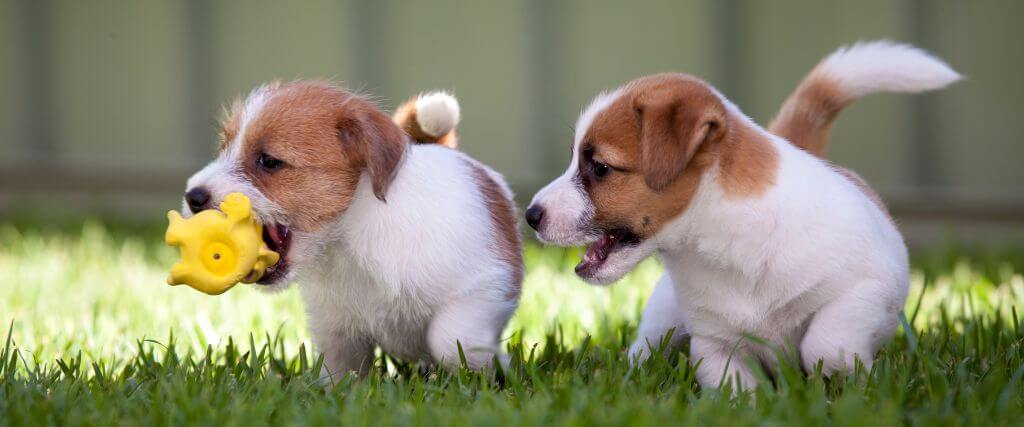
Bringing home a new puppy is exciting, but those early weeks shape how your dog will respond to the world for years to come. Puppy socialization is more than playtime. It is a structured process of safely introducing your puppy to new people, animals, environments, sounds, and experiences in a positive way. Done thoughtfully, it can help reduce fear-based behaviors and build long-term confidence.
The American Veterinary Society of Animal Behavior emphasizes that the primary and most important window for puppy socialization is during the first three months of life. During this time, puppies are especially receptive to new experiences. With that in mind, here are 10 veterinarian-recommended tips to help your puppy start out on the right path.
1. Start Puppy Socialization Early
The ideal socialization window generally occurs between about 3 and 14 weeks of age. Experiences during this developmental stage can strongly influence how your puppy reacts to new situations later in life.
Even before your puppy completes their full vaccination series, safe and controlled exposure is still important. Talk with your veterinarian about how to balance disease prevention with critical early social experiences.
2. Use Gradual, Controlled Exposure
Introducing your puppy to new situations should be intentional and measured. Sudden, overwhelming exposure to loud environments or unfamiliar dogs can create fear rather than confidence. Start with calm settings and one new stimulus at a time. As your puppy becomes comfortable, gradually increase the level of activity or complexity. Watch your puppy’s body language closely and allow them to move at a pace that feels safe.
3. Reinforce Positive Experiences
Positive reinforcement is one of the most effective tools in puppy socialization. When your puppy responds calmly to a new person, sound, or environment, reward them immediately with praise, gentle affection, or small treats. This helps create positive associations. Over time, your puppy learns that new experiences predict good things, which encourages curiosity rather than fear.
4. Enroll in a Well-Managed Puppy Class
Puppy socialization classes provide a structured environment for supervised interaction. These classes typically include exposure to other puppies, different people, and basic training exercises.
Look for classes that require proof of vaccination, limit class size, and are led by experienced trainers who use positive reinforcement methods. A well-run class supports both social skills and early obedience training.
5. Introduce a Variety of People
Well-rounded puppy socialization includes exposure to people of different ages, appearances, and voices. This can include children, adults, seniors, people wearing hats, and individuals using mobility aids.
Each interaction should be calm and positive. Encourage visitors to allow the puppy to approach first rather than forcing contact. Respecting your puppy’s comfort level builds trust.
6. Practice Gentle Handling Exercises
Handling exercises prepare your puppy for grooming, nail trims, and veterinary visits. Gently touch your puppy’s paws, ears, tail, and mouth while offering praise or small treats.
Keep sessions short and relaxed. If your puppy becomes uncomfortable, pause and try again later. Gradually increasing tolerance to handling can help reduce stress during future medical care.

7. Arrange Safe, Supervised Playdates
Positive interactions with other healthy, well-vaccinated puppies or calm adult dogs help teach important communication skills. Puppies learn bite inhibition, appropriate play behavior, and how to read canine body language.
Always supervise play sessions. Intervene if play becomes too intense or one puppy appears overwhelmed. Balanced, positive experiences are the goal.
8. Expose Your Puppy to Different Environments
Environmental exposure is a key component of puppy socialization. Gradually introduce your puppy to car rides, parks, quiet shopping areas that allow pets, and different household sounds.
Allow your puppy to explore at their own pace. Reward calm behavior and provide reassurance. Exposure to a range of sights, sounds, and surfaces can reduce the likelihood of fear responses later in life.
9. Stay Calm and Confident
Puppies are highly sensitive to their owner’s emotions. If you appear anxious or tense, your puppy may interpret the situation as unsafe. Maintain a relaxed, upbeat tone. Offer reassurance without reinforcing fearful behavior. Your steady presence helps your puppy interpret new experiences as manageable.
10. Make Socialization an Ongoing Process
Puppy socialization does not end after the first few months. Continued exposure throughout adolescence and adulthood helps reinforce positive behaviors and prevent regression.
Regular walks, controlled introductions, training sessions, and new experiences should remain part of your dog’s routine. Consistency supports long-term confidence and adaptability.
Start Out on the Right Paw
Successful puppy socialization lays the groundwork for a confident, well-adjusted adult dog. Early, positive, and gradual exposure to a variety of people, animals, and environments can reduce the risk of fear-based behaviors and improve quality of life.
If you have questions about how to safely socialize your puppy or would like guidance tailored to your dog’s age and health status, your veterinary team is here to help. Please give us a call at the office at (703) 273-2110, or you can email us at [email protected]. Our staff would love to talk with you!
Don't forget to follow us on social media Facebook, Instagram.